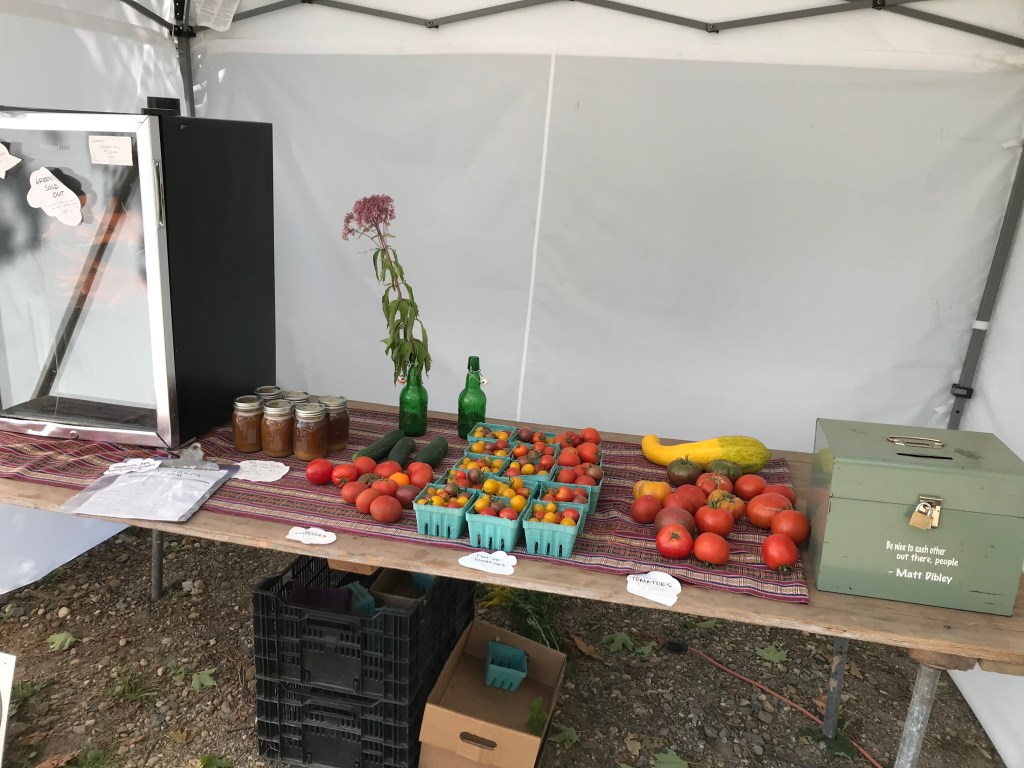
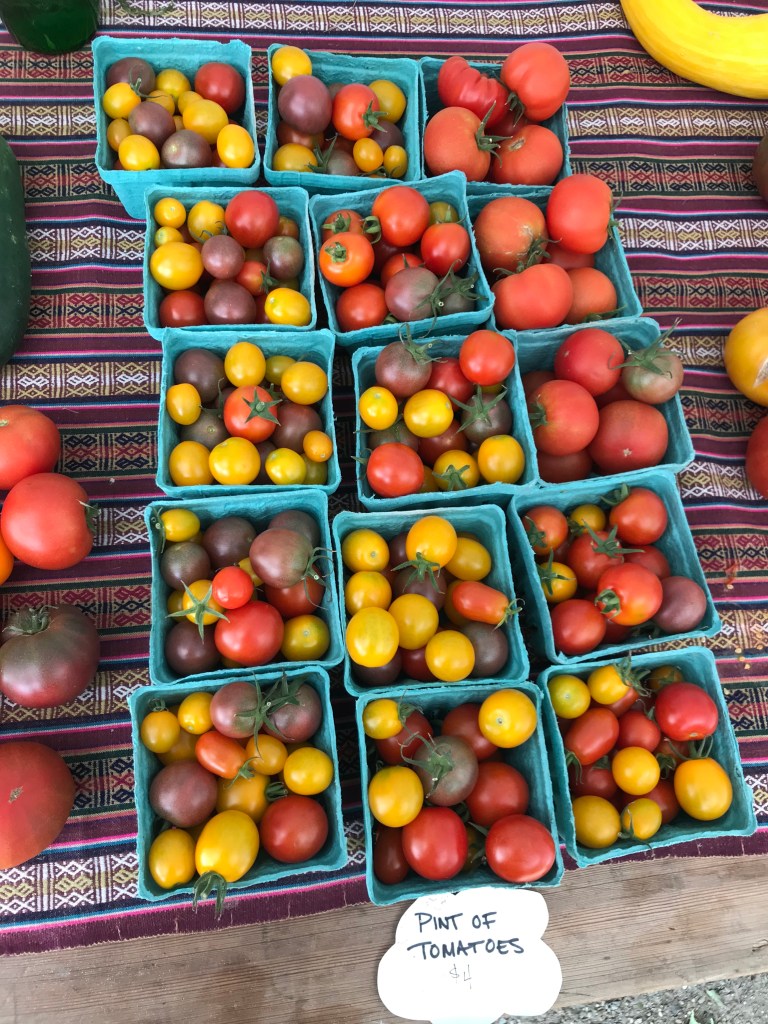
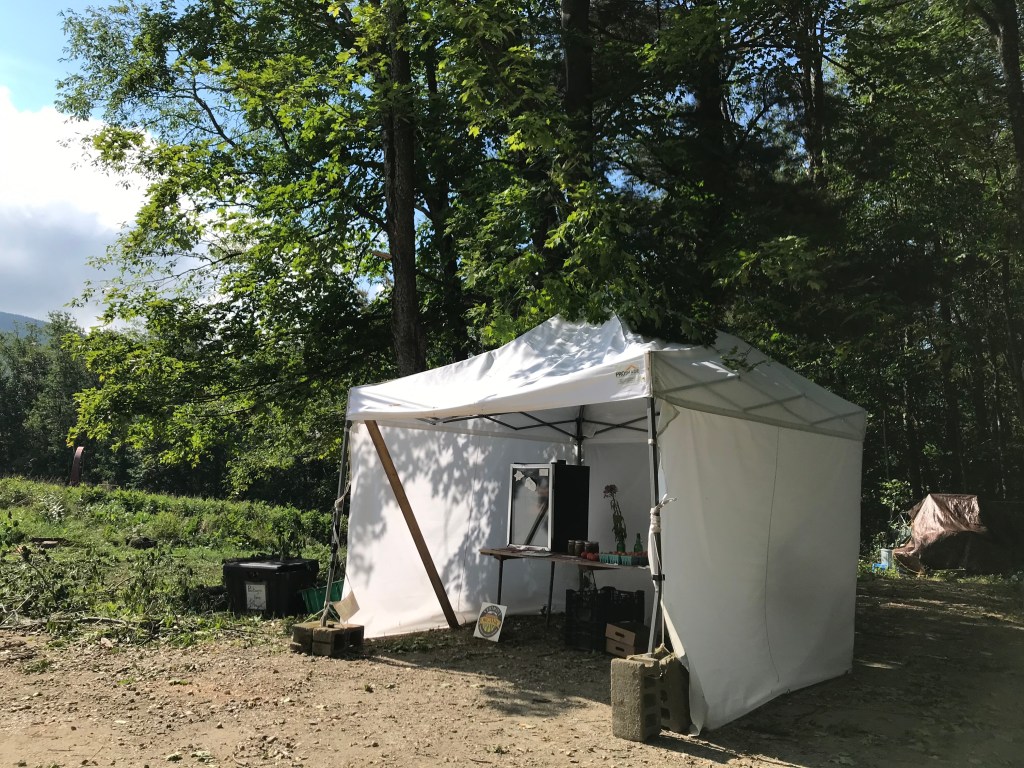
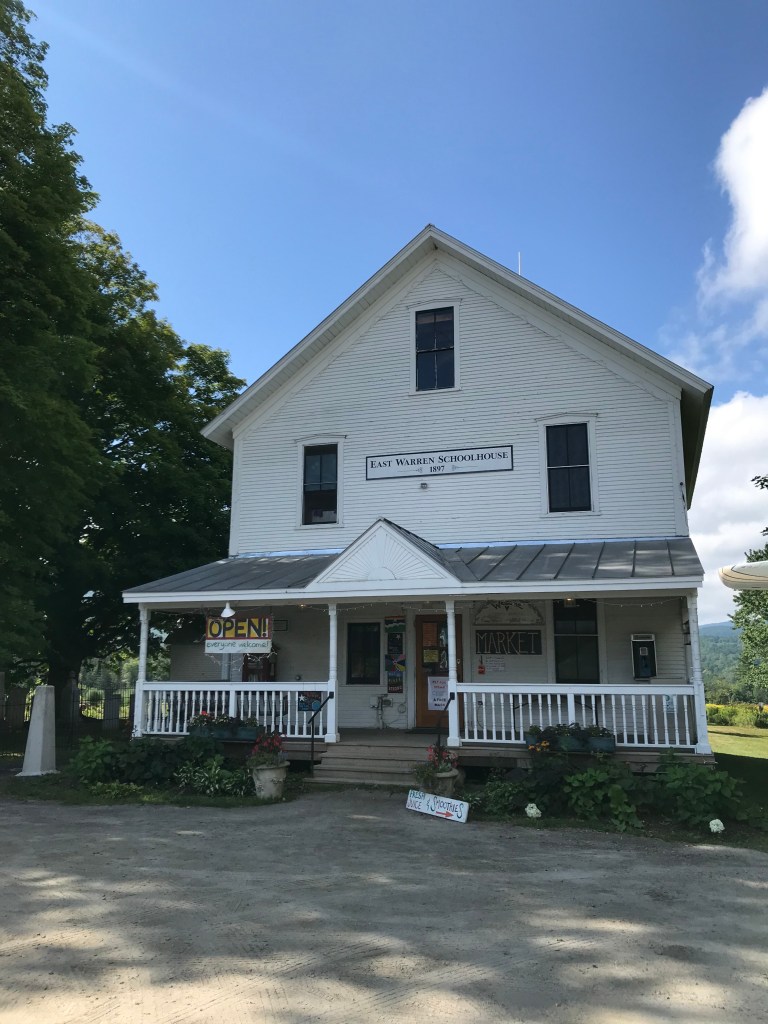
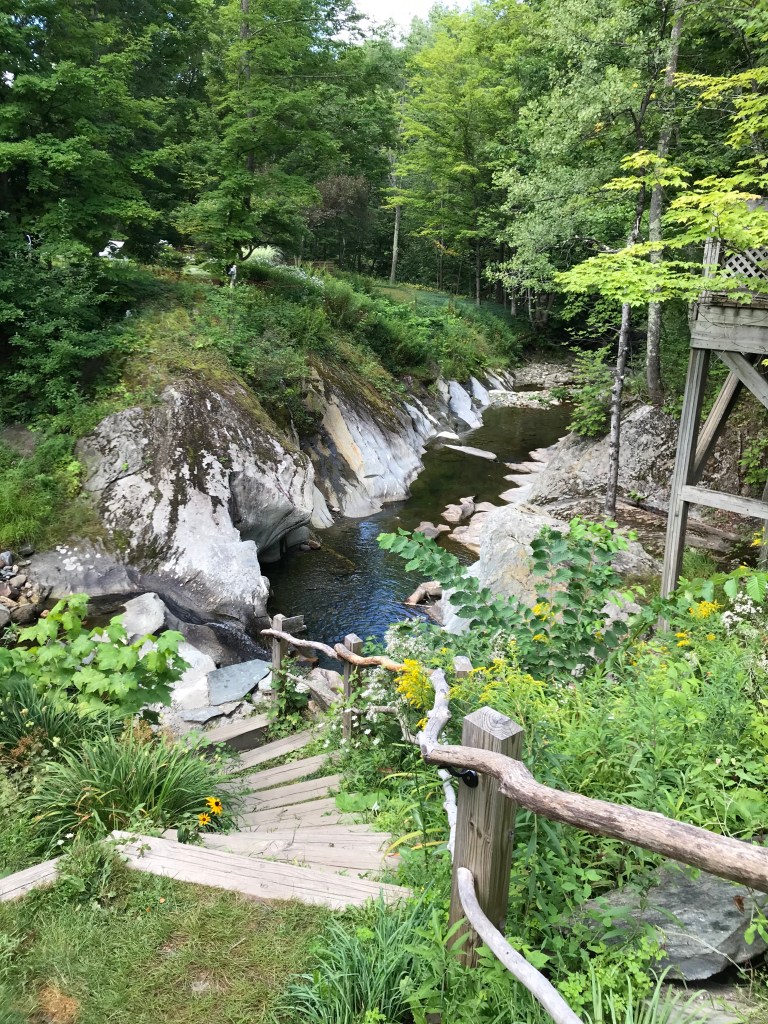
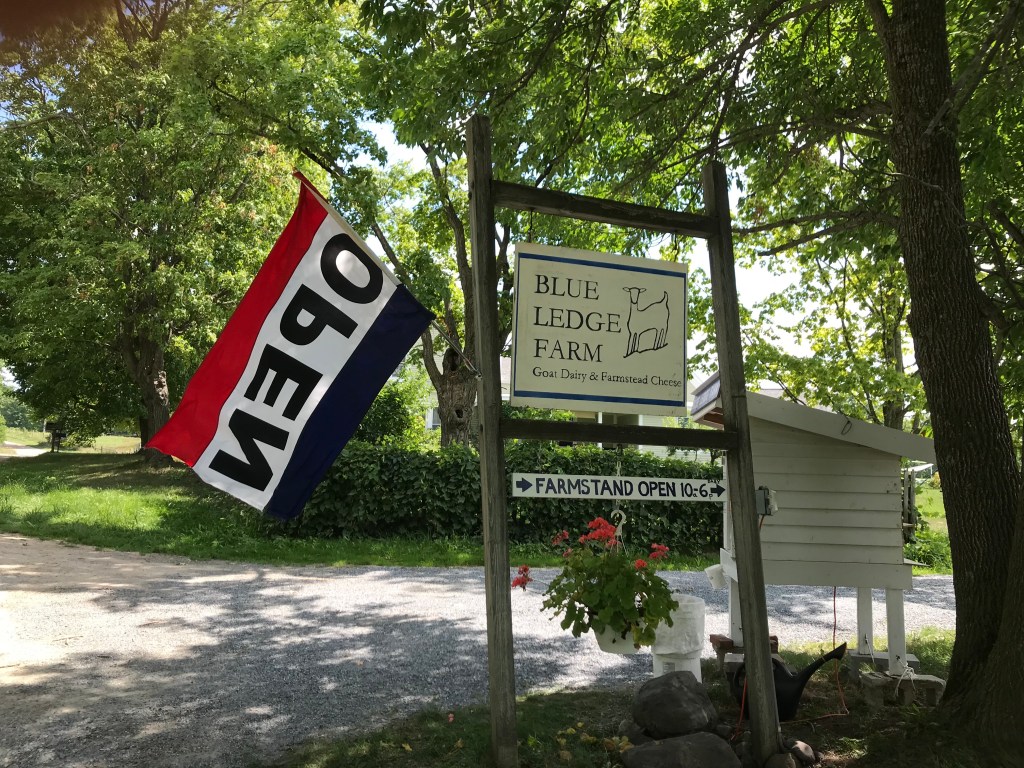
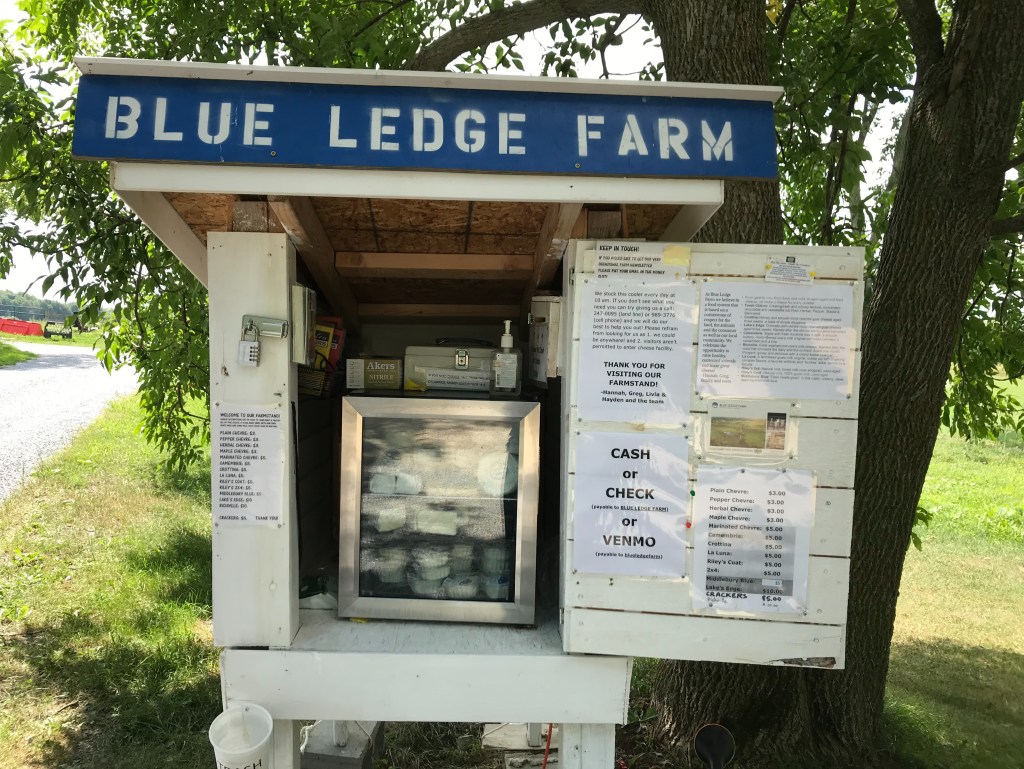
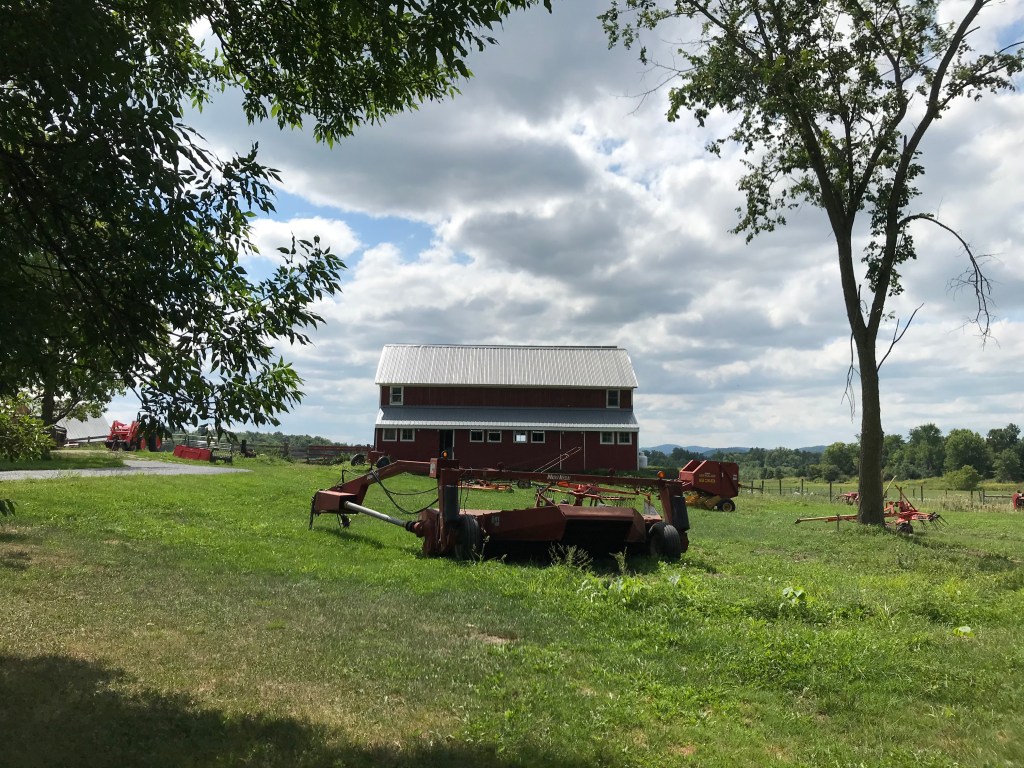
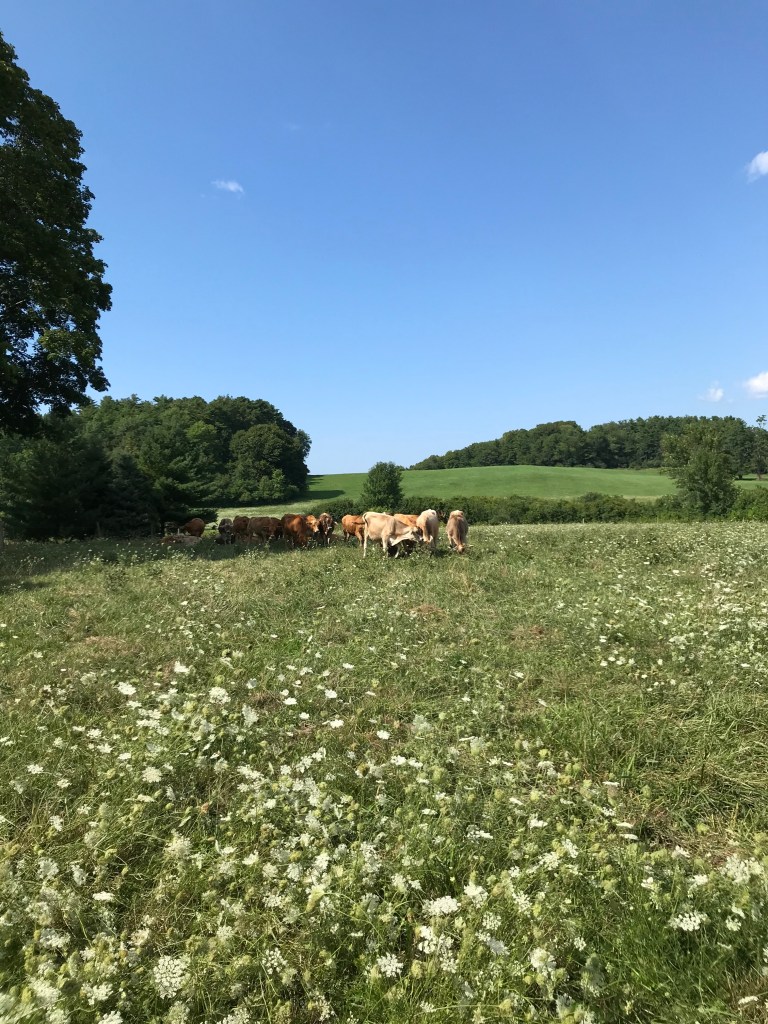
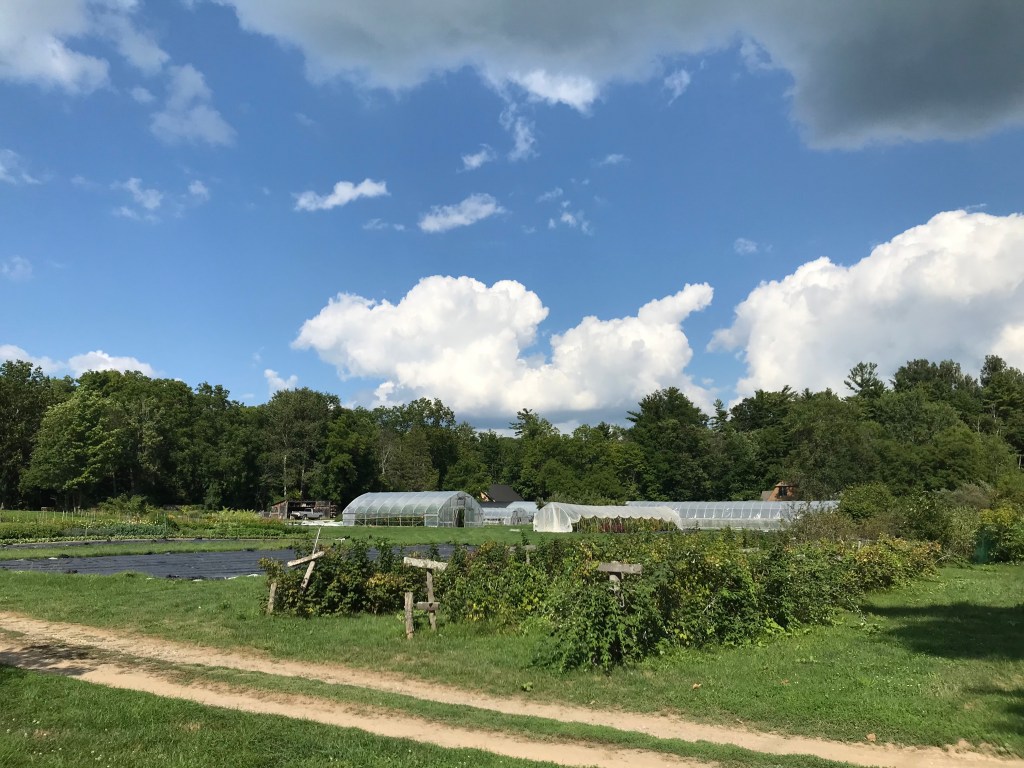
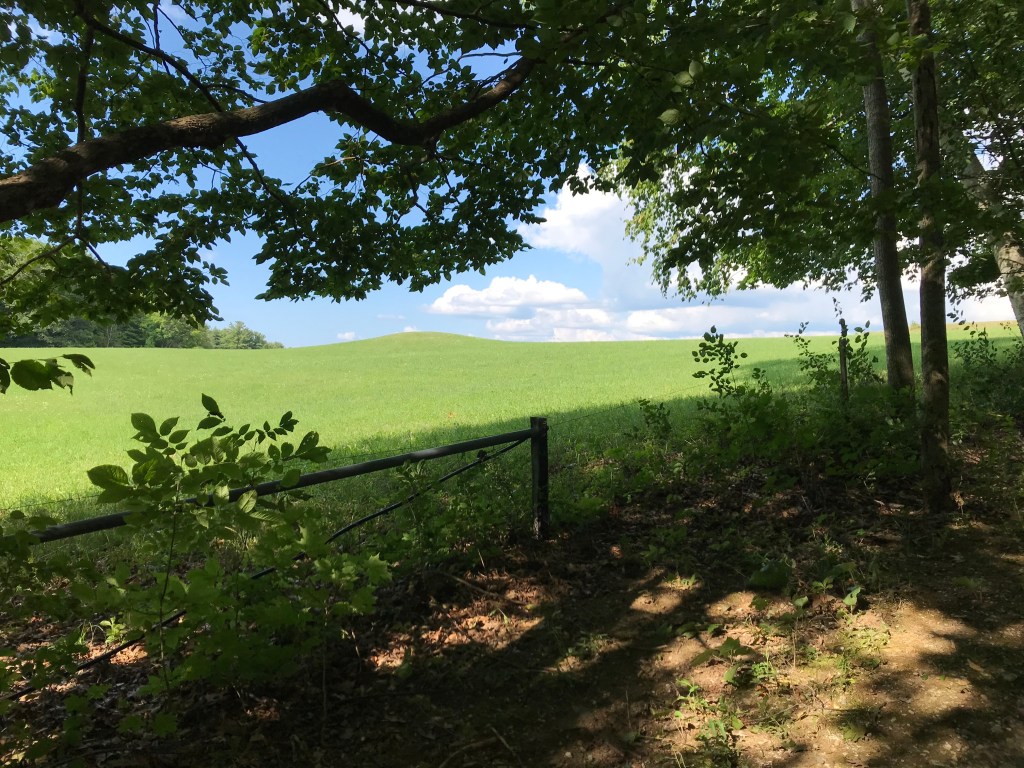
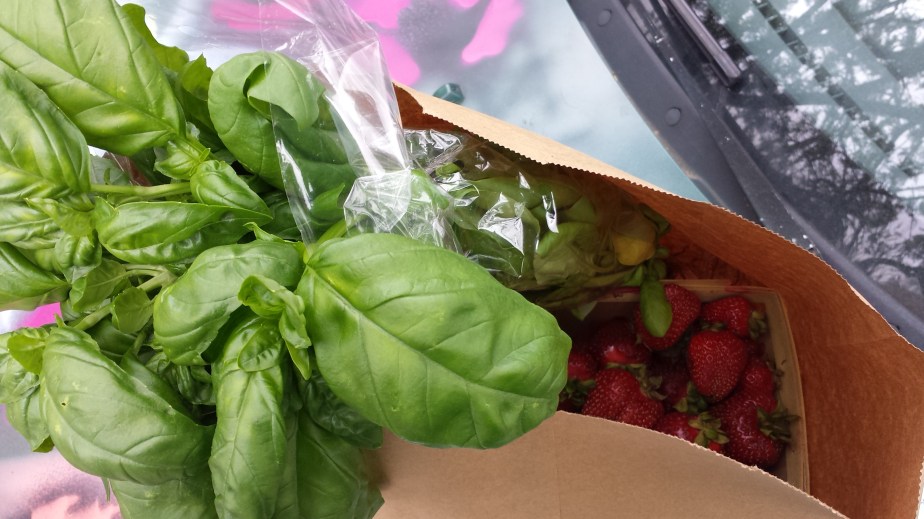
With end goal of peach picking and the secondary goal to stop at as many farms and farmstands as possible, I set out on a Sunday drive. The route I took from Norwich, Vermont brought me over Warren Mountain road and down to Alpenglow Farm where their roadside stand was stocked with sweet, snackable cherry tomatoes. I grabbed some for the road and drove one more minute west to the East Warren Community Market for a cold drink. From there it was up and over the mountains to Blue Ledge Farm. Blue Ledge Farm’s goat cheese can be found at co-ops around the state as well as at their farmstand which is open daily from 10 -6 April 1st to November 1st.
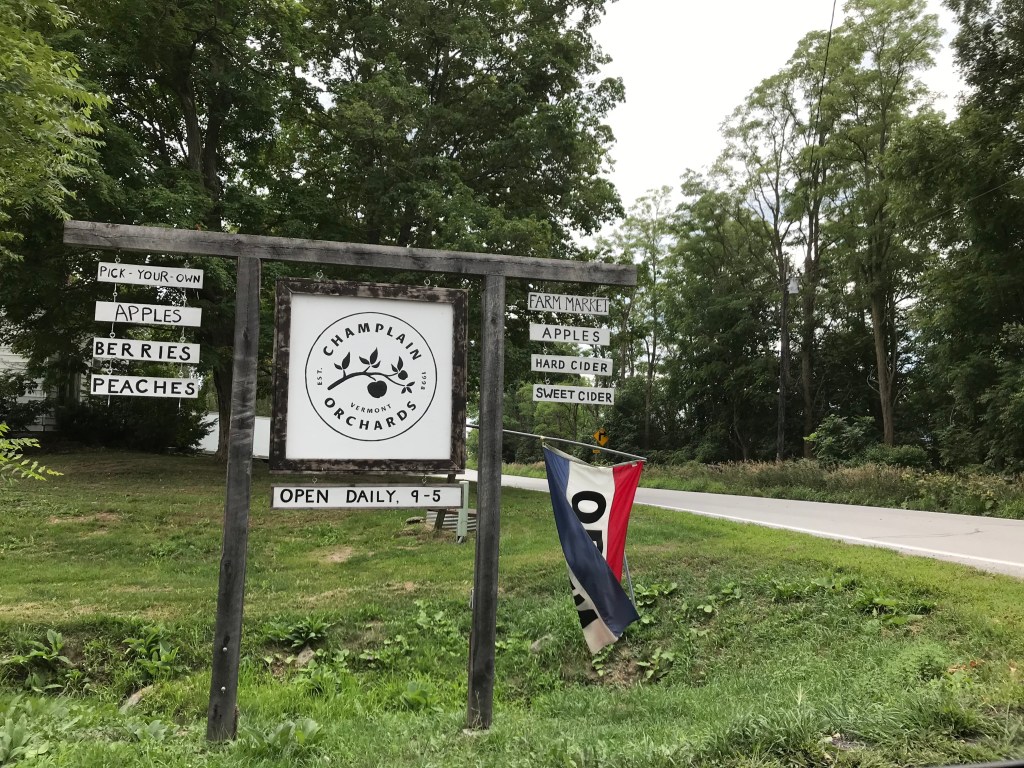
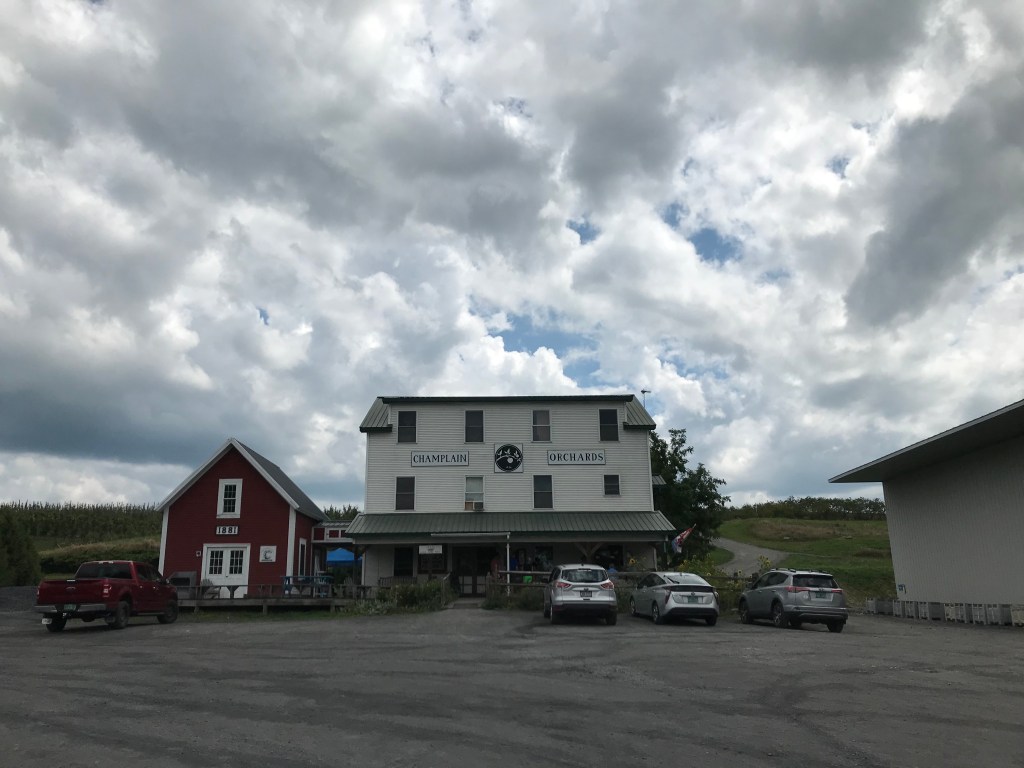
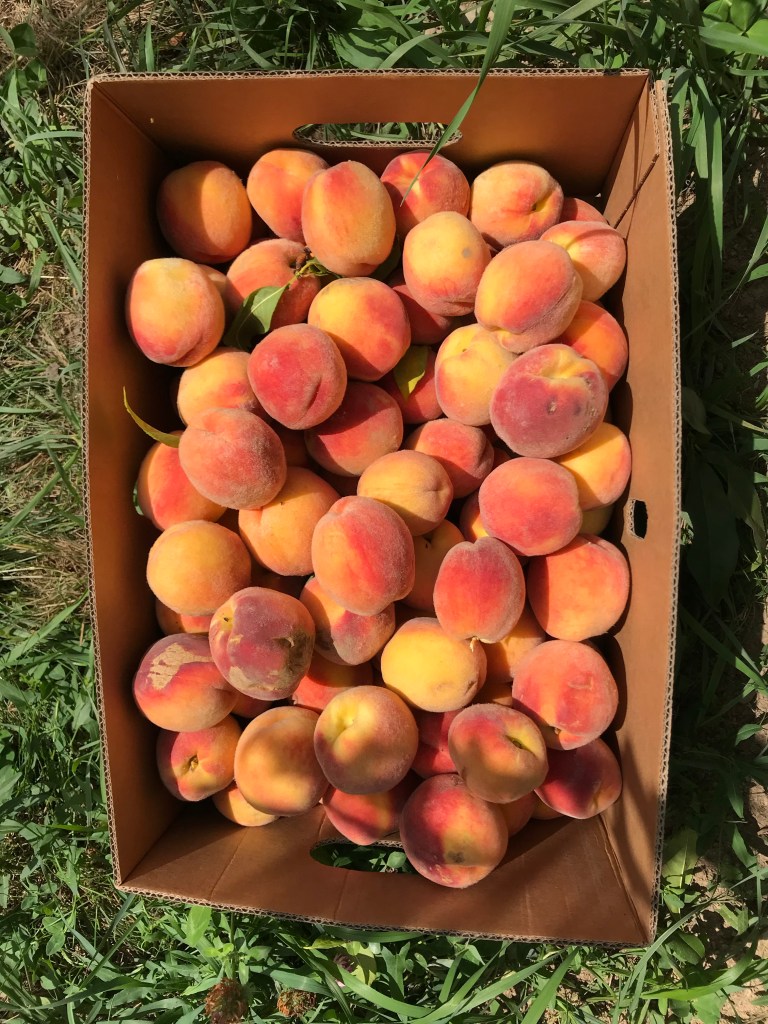
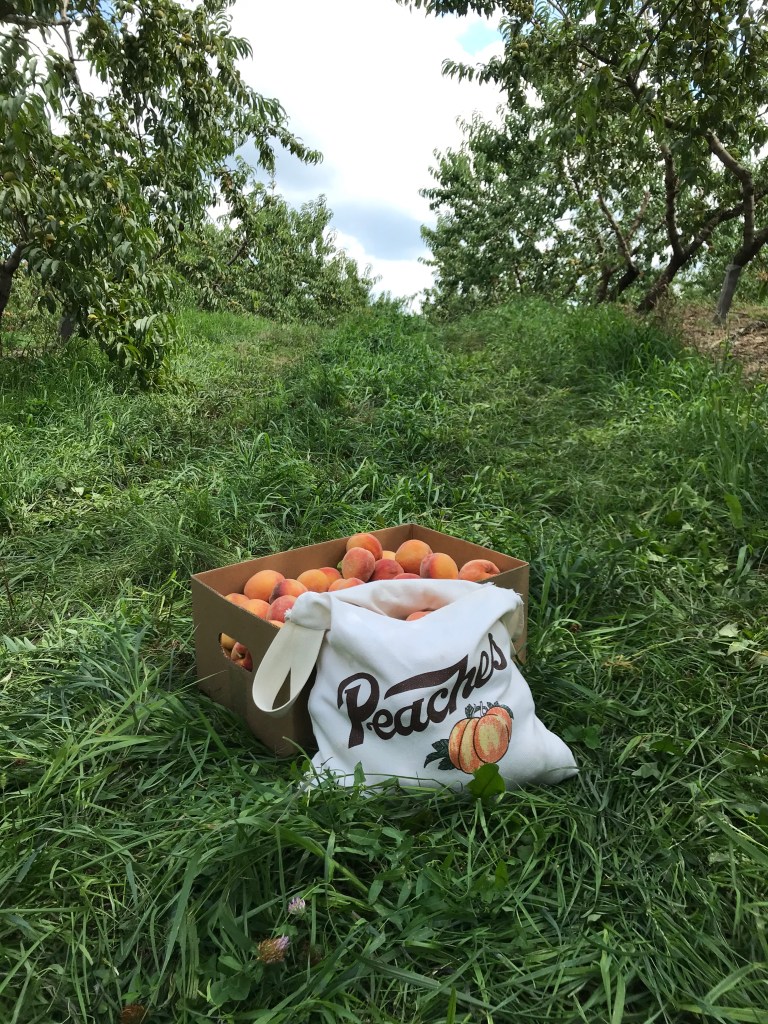
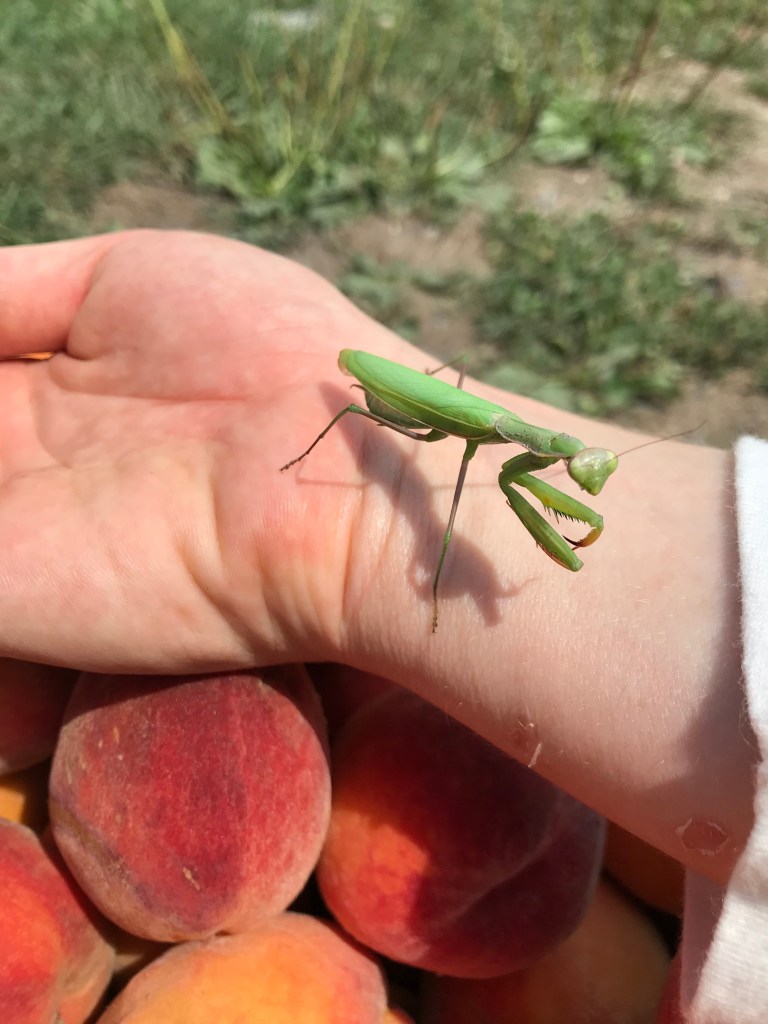
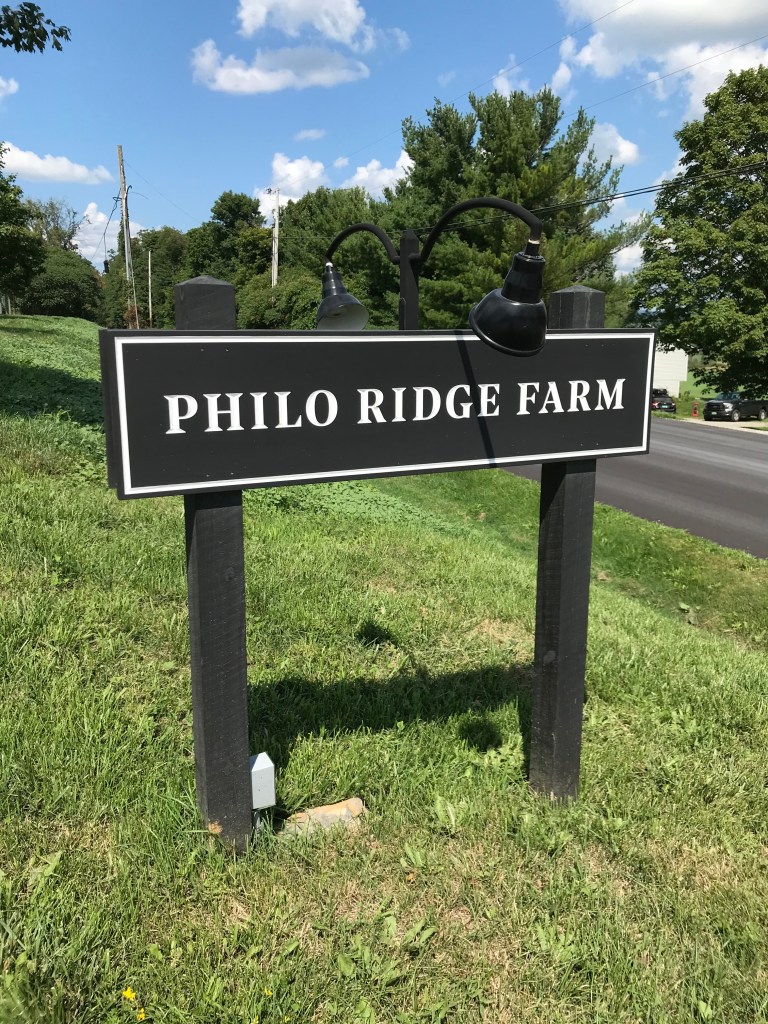
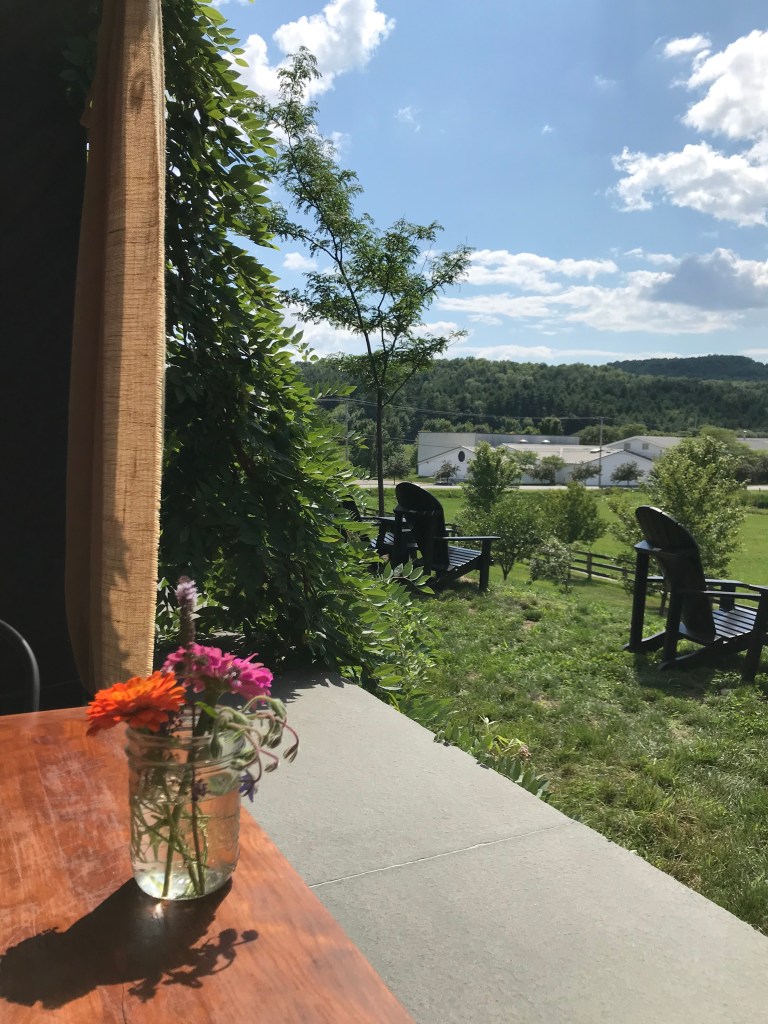
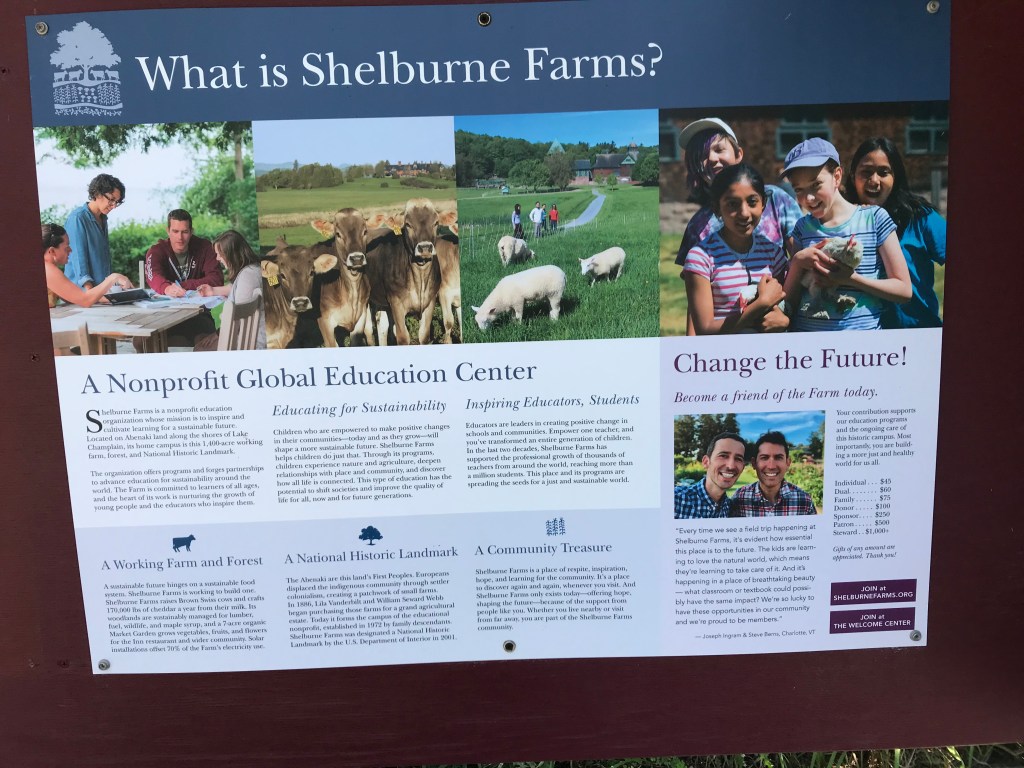
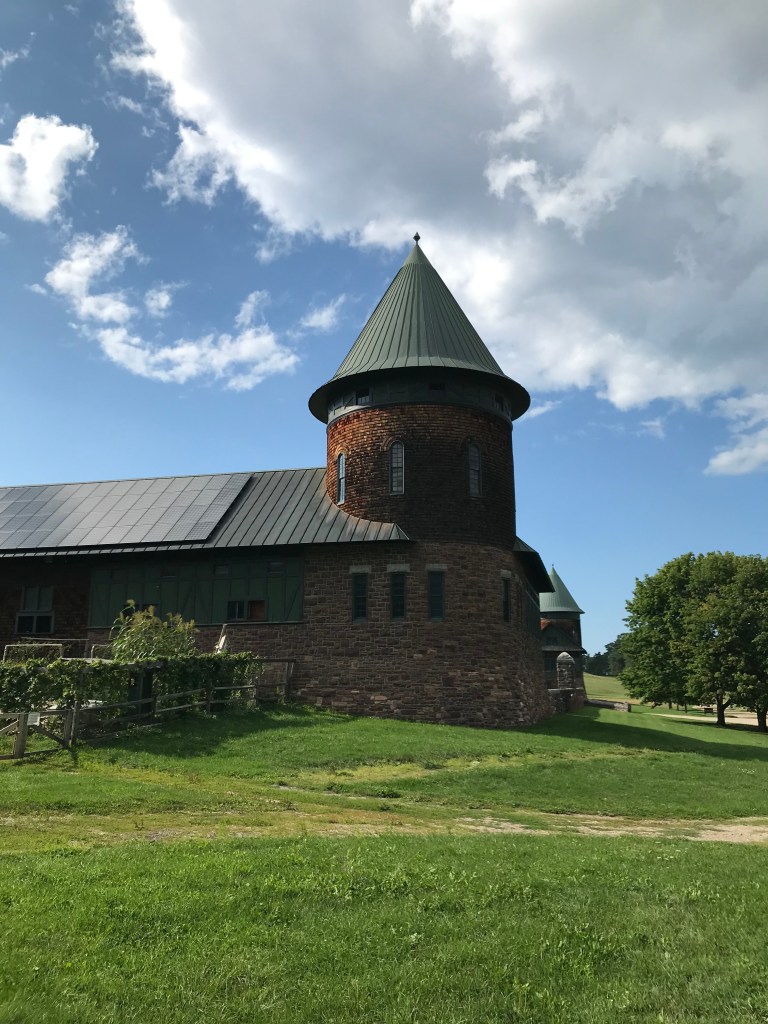
At noon I arrived at Champlain Orchards where the peach trees were filled with fruit. I picked as much as I could carry (and process)! For lunch, the next stop was Philo Ridge Farm. At the moment they offer a walk-up window for orders with seating overlooking the fields. The final stop of the day was Shelburne Farms. With 10 miles of walking trails throughout the 1,400 acres, they offer views of the dairy cows, Lake Champlain, the market garden and sugar bush as well as the historic barn.
On Earth Day it is important to remember that every little thing we do to better the environment through our daily actions makes a huge difference. One of the biggest contributors to environmental degradation and carbon emissions is the food and agriculture industry from the transportation of food to the use of petroleum based pesticides used for growing conventional produce. Eating local and organic not only betters the environment but supports your neighborhood farmers. Procuring Local Food is a series of articles that examine the many ways to purchase local food in your community.
Community Supported Agriculture or CSA was introduced to the United States in 1986. Indian Line Farm in Massachusetts and The Temple-Wilton Community Farm in New Hampshire were the first to develop CSA programs. The idea was inspired by similar efforts on Biodynamic farms in Europe and philosopher Rudolph Steiner’s economic philosophy regarding mutual producer-consumer relationships.
A CSA is a partnership between farmers and consumers. When a farm decides to develop a CSA they sell shares for the season. A share is a weekly harvest of vegetables, but may also include fruits, meat, eggs or dairy products depending on the farm. Shareholders purchase shares for a fixed up-front price at the beginning of the growing season and can usually expect a weekly supply of vegetables during the length of the CSA, usually from late spring through early fall.
CSA programs vary farm to farm with prices and the number of shares a farm sells dependent on their growing capacity. Farms usually offer different sized shares at different price points so that members can choose the amount of produce that works for them. Shares may be delivered to your door or picked up at a set location in your neighborhood. Certain farms encourage a deeper level of engagement with their CSA members through social outings, farm tours and volunteer opportunities. Becoming a member of a CSA is a great way to build a relationship with your farmer and community.
The beauty of CSA is that shareholders can directly support a farm while receiving a variety of fresh, in-season produce throughout the growing season. This system gives farmers a guaranteed income with an influx of cash upfront for the season. As a mutual relationship between farmers and shareholders both parties reap the rewards of good harvests and share the burden of bad. A CSA supports local farmers, keeps money in the community and provides quality, healthy produce to shareholders.
If you are interested in purchasing a CSA share spring is the time to shop around. Get in touch with local farms in your area or use localharvest.org to find CSA farms nearby.
The Open Source Seed Initiative was founded in 2012 as a response to large conglomerate companies like Monsanto and Dupont who patent protect and own seeds. By taking inspiration from open source software and the free dispersion of knowledge the OSSI goal is to free the seed.
OSSI partners with plant breeders and seed companies who pledge one or more varieties and agree to sell it to their customers as OSSI-pledged freed seed.
The OSSI Pledge:
You have the freedom to use these OSSI-Pledged seeds in any way you choose. In return, you pledge not to restrict others’ use of these seeds or their derivatives by patents or other means, and to include this Pledge with any transfer of these seeds or their derivatives.
Currently 36 plant breeders and 46 seed companies are partnered with OSSI. Customers who buy these seeds are allowed:
The freedom to save or grow seed for replanting or for any other purpose.
The freedom to share, trade, or sell seed to others.
The freedom to trial and study seed and to share or publish information about it.
The freedom to select or adapt the seed, make crosses with it, or use it to breed new lines and varieties.
Patent protected seeds cannot be saved, replanted or shared by farmers and cannot be used to breed new crop varieties. Their genes, protected as intellectual property, are exempt from use in research at universities and by plant breeders and small seed companies.
The Mission:
The Open Source Seed Initiative (OSSI) is dedicated to maintaining fair and open access to plant genetic resources worldwide in order to ensure the availability of germplasm to farmers, gardeners, breeders, and communities of this and future generations.
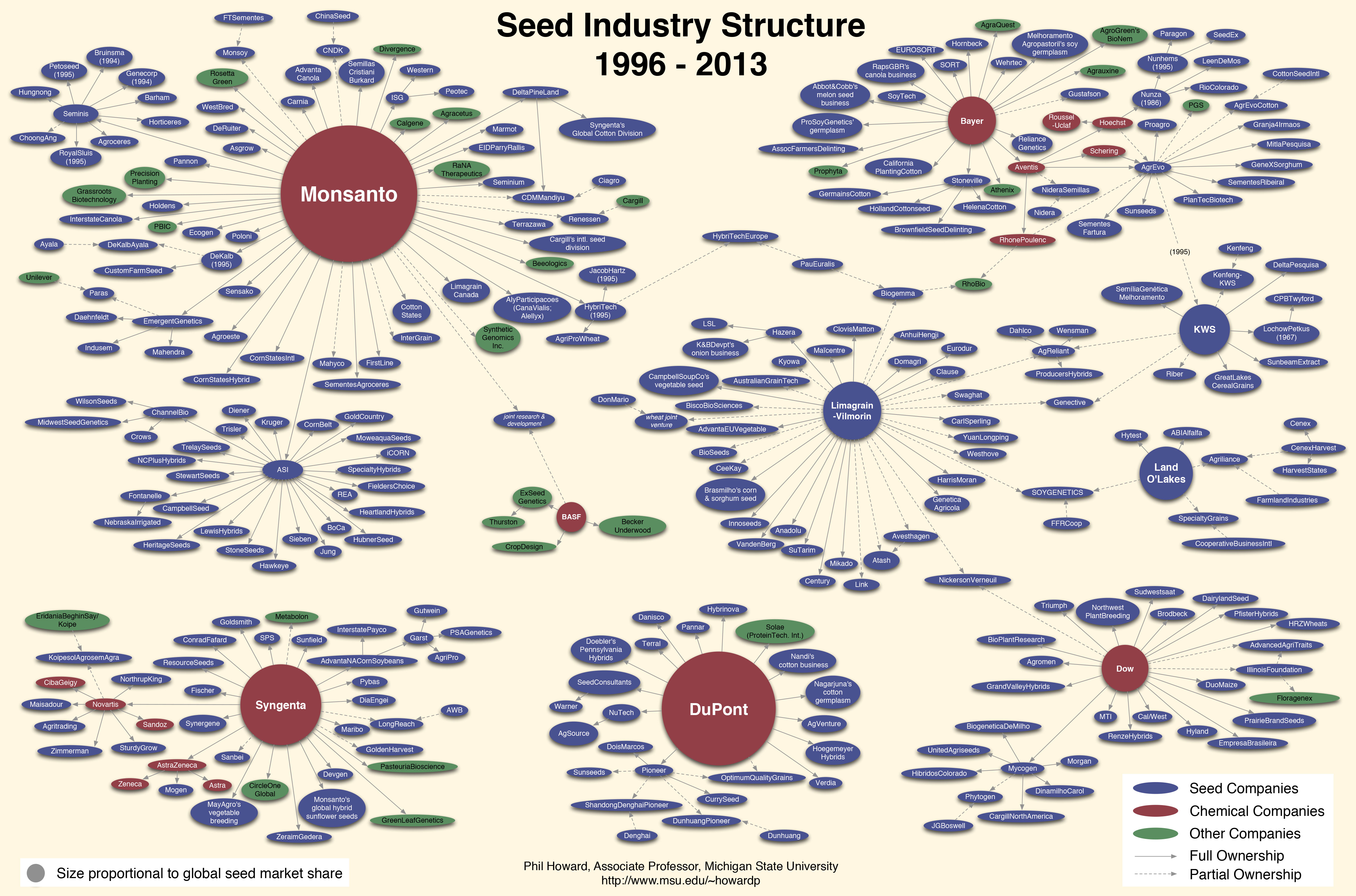
Choosing to purchase freed seed and saving seeds reduces reliance on large seed companies. Since 2013 Monsanto, Dupont and Syngenta have controlled half the global market for the seed industry through seed company acquisitions, biotech acquisitions and joint ventures. They are in direct competition with the idea of seed sovereignty. Seed sovereignty “reclaims seeds and biodiversity as commons and public good. The farmer’s rights to breed and exchange diverse open source seeds which can be saved and which are not patented, genetically modified, owned or controlled by emerging seed giants.”
These chemical companies create genetically modified seeds to use in conjunction with the pesticides they manufacture. Monsanto’s Roundup Ready seeds are genetically resistant to glyphosate, the main chemical in Monsanto’s Roundup. When farmer’s violate patents by saving and replanting seed they hurt Monsanto’s business model by not being reliant on purchasing new seed every year. As a large and powerful company Monsanto frequently attacks seed savers through investigations, coerced settlements and lawsuits in order to maintain control of the global commercial seed market.
This spring support open source seeds and purchase from OSSI partners and small independent seed companies.
What is an Agrihood? I came across this term in The National magazine on a train ride home from a visit to the Hudson Valley. A combination of agriculture and neighborhood, ‘agrihoods’ or ‘agri-communities’ are the latest marketing ploy created by developers to profit off the popularity of the farm-to-table, back-to-the-land, wellness trend. And with homes from the 300,000s to 650,000s and up they have certainly created a cash crop.
Until Merriam-Webster inducts “agrihood” into the dictionary the working definition according to Forbes is, “a community that is usually planned around a farm and offers access to unblemished landscapes, locally grown food, and homes built to environmentally friendly standards.”
It’s important to note that these are planned communities, meaning developers carefully designed the placement of the homes in an area that was previously undeveloped. This differentiates them towns with ‘agrihood’ amenities.
Agrihoods were partially born out of the popularity of golf communities where buyer’s paid large sums for views of the green. Instead of being situated strategically around the golf course; however, these homes are situated around a farm and nature areas. A common denominator in all of these communities are the farm stands where neighbors can purchase produce and meat from the farm or pick up their CSA (community supported agriculture) share. They also feature the standard pool and clubhouse but can take wellness a step further than the gym. Aberlin Springs in Dayton, Ohio advertises plans to build a wellness center for the community and the wooded walking trails are popular with residents in the Serenbe community of Georgia.
In many ways these developments attempt to combine life in small town America with the ease of access that city living offers. The community may have a restaurant or two cooking local food from the farm as well as coffee shops and stores all within walking distance. Homes featuring porches and low fences as well as parks, playgrounds and outdoor gathering spaces are in the hopes of creating neighborly interaction. Homeowners tout the benefits of not having to leave the neighborhood that often and that their children know where their food comes from and can play outside.
Where I grew up developments were usually already situated around farm fields as they rapidly replaced farmland with cookie cutter houses and landscaped lawns. Some even took on the perverse practice of being named after the farm which they had replaced. Agrihoods are more appropriate recipients of this practice (see Skokomish Farms in Puget Sound, WA). The farms they surround tend to be small, organic farms that were started during or before the houses were built.
In fact for some landowners choosing to create an ‘agri-community’ is a way to preserve land that likely would have been developed with less foresight. This was the case with Agritopia in Gilbert, Arizona. With rapid suburban development encroaching on the family farm the family took matters into their own hands. This was also the case with the Serenbe community in Georgia which faced development pressure from the suburban sprawl of Atlanta.
While its great to attempt to recreate the connection with the land through walkable communities where you know your neighbor and local farmer, at the end of the day agri-communities are commodifying, rebranding and re-selling the pastoral rural community of yesteryear for an exorbitant sum to the modern suburbanite. Development is still development and building a brand new 2,000+ square foot house with a two car garage is not the model of sustainability. In theory agrihoods may be a step back in the right direction but in practice are they really worth the hype?





 Greens for Greatness