
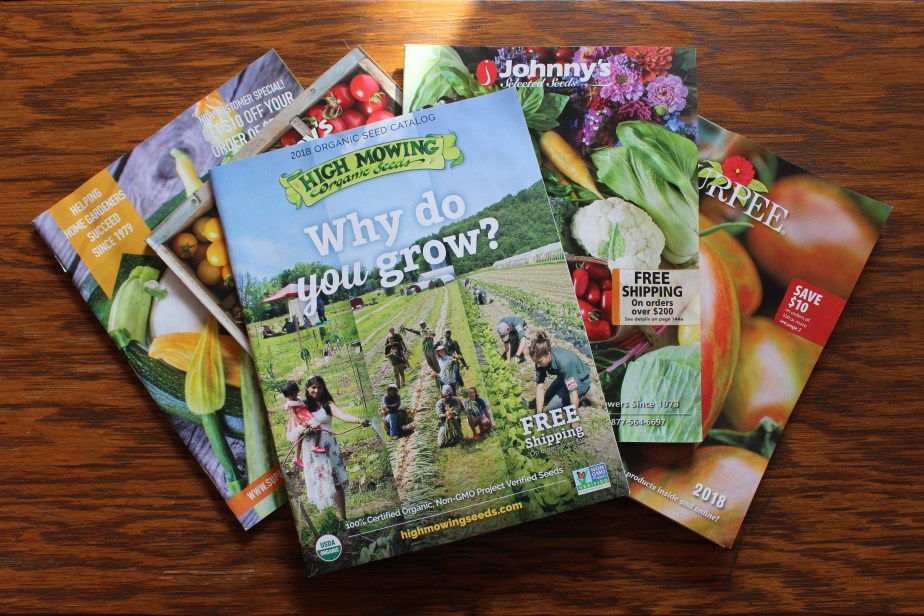
 Heirloom seeds are open pollinated seeds that have been saved and passed down from one generation to another. High Mowing Seeds describes them as breeds that “pre-date, or are unaltered by, the last hundred or more years of modern breeding work”. The term heirloom can also apply to fruit trees and livestock. These breeds and seeds have been cherished, bred and protected for future generations by previous generations and tend to be hardy farm favorites valued for their genetic diversity, appearance and taste.
Open Pollinated seeds are seeds that are produced from the natural cross pollination of two of the same kind of plant. All heirlooms are open-pollinated, meaning there can be slight natural differentiation between plants and successive generations. With open pollinated plants care needs to be taken to ensure that future generations are useful and viable. Keeping plants away from other similar varieties during the growing season is necessary to avoid cross breeding. Open pollinated seeds are used to make hybrids.
Hybrids are plants created by breeding two different but related varieties to create offspring with desirable traits. This can happen naturally in the wild but commercial seed producers use artificial, controlled pollination to ensure a standard reproduction. Hybrids were developed for large scale agriculture to guarantee uniformity for produce as well as greater disease resistance, yield and better flavor. While looking through seed catalogs you may see F1 Hybrids. F1 stands for the first generation. If you save seed from an F1 hybrid the offspring will be a random mix of both parents so hybrid seeds need to be repurchased every year.
Genetically Modified Organisms are usually used in creating commercial seed varieties such as corn, soybeans and grains. However it is important to know the distinctions between GMO seed and Hybrid seeds especially as Monsanto has moved into the vegetable market through acquiring Seminis and De Ruiter; both large vegetable seed producers. Hybrids are created from varieties that can genetically reproduce. GMOs are created using sophisticated technology to combine DNA from species that cannot breed (technically referred to as gene splicing). An example is the AquaAdvantage Salmon which was bred with eel DNA or combining fish DNA and tomatoes to increase frost tolerance. Beyond combining two breeds that cannot mate GMO technology also can turn off genes (gene silencing techniques) and edit genes. These new technologies are currently being used to prevent apples from browning when bitten.
Sources
https://www.smallfootprintfamily.com/hybrid-seeds-vs-gmos
 Greens for Greatness